Hanging Herbs Kitchen Embroidery Review: A Botanical Delight for Handmade Projects
As an experienced embroidery designer, I often find myself sifting through countless digital embroidery files in search of something that stands out — not just visually, but in its adaptability and stitching quality. When I first encountered the Hanging Herbs Kitchen design on Creative Fabrica, I was immediately drawn to its delicate botanical charm. The visual mood is both refined and cozy, making it a perfect fit for kitchen-related handmade products or any project with a farmhouse aesthetic.
First Impressions and Design Appeal
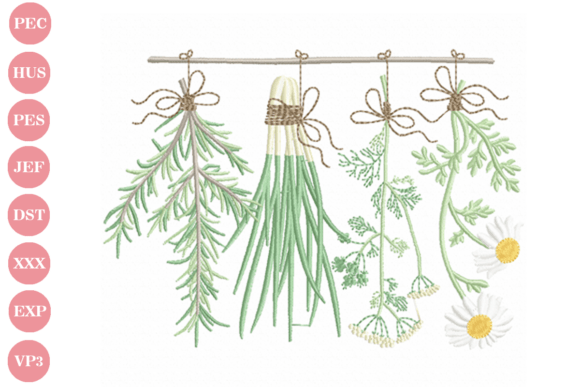
The Hanging Herbs Kitchen embroidery design features a soft, flowing layout of herbs suspended mid-air, evoking a sense of natural grace. The detail level is impressive; each leaf and stem feels hand-drawn yet precise. This makes it ideal for projects where you want to highlight craftsmanship without overwhelming the fabric with complexity. It has a subtle stitching personality that leans more toward decorative than utilitarian, which means it’s great for adding a touch of elegance rather than heavy texture.
I found the design especially appealing for tea towels, aprons, and tote bags. Its botanical theme naturally aligns with the product titles suggested by Creative Fabrica, and I could easily see it as part of a curated collection for kitchen decor or nursery accessories. For those who love farmhouse projects, this pattern offers a timeless look that blends seamlessly into rustic settings.
Stitching Quality and Project Compatibility
One of the key factors I consider when evaluating a machine embroidery design is how well it translates across different fabrics and applications. While the product description doesn’t provide specific stitch counts or file formats, I recommend always checking the Creative Fabrica product page for these details before committing to a customer order.
Satin stitch elements dominate the design, giving it a smooth and polished finish. The fill stitch areas are minimal but still present enough to add dimension without being too dense. This is important for items like sweatshirts or caps, where bulky stitches can distort the shape or feel uncomfortable against the skin.
- Custom apparel: The design works well on lightweight garments such as aprons and sweatshirts. The delicate nature of the herbs complements soft cotton blends and linen materials.
- Tote bag design: As a tote bag designer, I appreciated how the layout allows for easy centering on larger fabric surfaces. The herbs appear balanced and don’t overwhelm the space.
- Kitchen towels and runners: These are obvious fits. The design adds a subtle pop of style without becoming distracting during daily use.
- Pillow covers and nursery decor: The gentle colors and intricate lines make it suitable for home décor projects. It brings a calm, organic feel to textiles.
- Embroidered patch: If resized appropriately, the design can function beautifully as a small patch for denim jackets or canvas backpacks.
Practical Considerations for Real-World Use
When using Hanging Herbs Kitchen in your next project, here are some practical notes to keep in mind:
- Test on scrap fabric: Always do a trial run. This will help you assess how the design interacts with your chosen fabric type and thread colors.
- Check thread color contrast: Since the design relies heavily on fine lines and subtle shading, ensure the thread colors you choose stand out clearly from the fabric base.
- Review stitch density: If the design includes fill areas, adjust the density depending on the fabric's weight and weave. Too much density can cause puckering on thin materials.
- Confirm hoop size: Hoop size affects how the design lays flat and sews smoothly. Make sure the design fits within your intended hoop dimensions, especially if resizing for smaller products like patches or caps.
- Compare light and dark fabric mockups: Visualizing the design on contrasting backgrounds helps determine its visibility and impact on finished products.
- Use proper stabilizer: Especially for stretchy or loosely woven fabrics, a good stabilizer will prevent distortion and ensure clean lines.
- Inspect small details after stitching: Because of the intricate herb outlines, it’s crucial to examine the final piece under magnification to catch any missed or broken stitches.
- Confirm file details and licensing: Before selling finished items, double-check the digital embroidery file specifications and licensing terms on the Creative Fabrica product page.
Design Assets and Commercial Viability
For Etsy sellers and small business owners, the Hanging Herbs Kitchen offers strong potential as a design asset. Its unique botanical motif can elevate the perceived value of your handmade product, whether it’s a personalized gift or a custom apparel item. The design’s versatility also allows it to be used across multiple product types, supporting brand consistency in collections.
From a commercial standpoint, the design seems suitable for commercial embroidery projects, provided the licensing allows it. It has the right balance of intricacy and simplicity that appeals to a broad audience while maintaining a premium feel. This makes it a solid choice for craft fair products, boutique merchandise, or even seasonal handmade gifts like holiday tea towels or baby blankets.
Impact on Product Value and Customer Engagement
Adding the Hanging Herbs Kitchen design to your product line can significantly enhance buyer trust and visual appeal. Customers often associate botanical motifs with quality and attention to detail, which this design delivers. Whether you're creating a personalized gift or a mass-produced item for resale, the elegant presentation increases the likelihood of positive reviews and repeat customers.
Its giftability factor is high, particularly for clients looking for meaningful, nature-inspired designs. The design also shines in product photography, where the soft curves and green hues create a warm backdrop for showcasing your work online or in print.
Challenges and Workarounds
While the Hanging Herbs Kitchen is beautiful, there are a few considerations for challenging applications:
- Small hoop sizes: If you’re working with a limited hoop area, you may need to simplify or scale down parts of the design to maintain clarity.
- Dense stitch areas: Some sections might require slight adjustments in stitch direction or spacing to avoid bulkiness, especially on stretchy or textured fabrics.
- Curved cap surfaces: Resizing and positioning on curved surfaces requires careful planning to preserve the design's integrity and symmetry.
- Dark fabric: Thread colors may lose their vibrancy on darker bases. Consider using metallic threads or adjusting the design layout to highlight key areas.
- Products needing frequent washing: Choose durable threads and stabilize properly to ensure longevity. Test washability on a sample before mass production.
Final Thoughts and Recommendations
Overall, the Hanging Herbs Kitchen is a standout machine embroidery design for anyone in the creative field. As an embroidery designer who values both aesthetics and functionality, I found it to be a reliable addition to my design library. It performs well on a variety of projects, maintains its beauty through repeated use, and adds a professional touch to both personal and commercial endeavors.
If you’re looking for a botanical embroidery pattern that’s versatile, elegant, and ready to impress, this one deserves a closer look. Just remember to test thoroughly and tailor the design to your specific product needs. With a little care and creativity, the Hanging Herbs Kitchen can become a signature element in your embroidery portfolio.